Happy Character Vector Illustration for Brand Graphics & Marketing
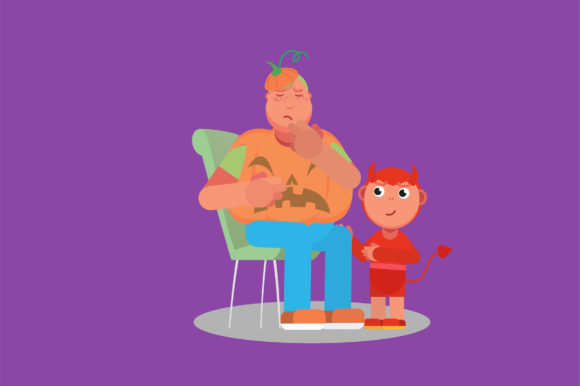
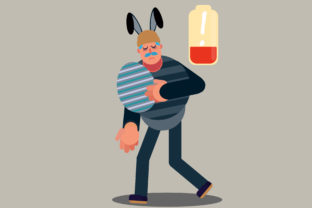
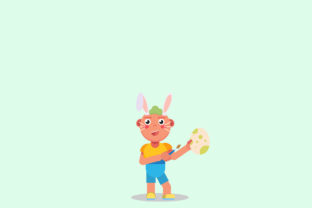
When I first opened the Happy Character Vector Illustration file, I immediately noticed the clean linework and the warm, approachable expression on the character’s face. As a brand designer who reviews dozens of graphic design assets every month, first impressions matter. This illustration feels intentionally crafted for modern, friendly branding. The mood is cheerful without being childish, and the emotional tone lands somewhere between playful and professional. That is a surprisingly hard balance to strike, and this creative design asset achieves it well. For anyone building small business branding or seasonal marketing visuals, this character could become a reliable anchor for campaigns that need to feel human and approachable.
Why This Character Works for Real Campaign Visuals
I recently worked with a small specialty food brand that wanted to refresh its spring social media graphics and introduce a limited-edition product line. The team needed a visual that could carry warmth across Instagram posts, Pinterest pins, and email banners without feeling like generic stock art. We tested the Happy Character Vector Illustration inside a mock campaign header, and the response was immediate. The character’s friendly posture and simple styling made it easy to pair with both serif font headlines for a premium feel and sans serif font body copy for readability. The digital product format also meant we could drop it directly into our Canva template system without reworking the entire layout.
What stood out most was how the illustration handled visual hierarchy. In a crowded digital ads space, the character drew the eye without competing with the product photo or the call-to-action button. That is a sign of a well-designed illustration asset. It knows its role and stays in it.
Mood and Audience Perception in Brand Identity
The Happy Character Vector Illustration creates a mood that feels both familiar and refreshing. The character’s expression is open and inviting, which naturally supports audience trust and emotional connection. For brands that rely on professional branding with a friendly edge, this asset fits comfortably. It does not lean into overly cartoonish territory, so it works for lifestyle content, event promotions, and even editorial graphics where a human touch is needed but realism is not required.
I would position this character as suitable for casual branding, handmade products, digital product visuals, and commercial marketing materials aimed at a broad consumer audience. It is likely to appeal to parents, gift buyers, event planners, and anyone looking for printable design elements that feel personal. The SVG design and PNG design formats included in the ZIP file also make it easy to resize for different platforms without losing quality.
Real Project Workflow: Seasonal Campaign Integration
Let me walk through a real scenario. Imagine you are preparing a spring product launch for a small batch bakery or a handmade gift shop. You need packaging design for a limited-edition item, product labels that stand out on a shelf, social media graphics for a countdown, and a website header that signals something new is coming. The Happy Character Vector Illustration can appear across all those touchpoints because the file includes Ai, EPS 10, JPG, PNG, SVG, and DXF formats. That means you can edit the vector paths in Adobe Illustrator for logo design or brand identity work, drop the PNG into a Canva template for fast social posts, and use the SVG for web design elements that need to load quickly.
In our test campaign, we used the character on a product label, as a decorative accent on packaging inserts, and as the hero visual in a Pinterest pin that drove traffic to a landing page. The character’s simple vector illustration style meant it scaled down cleanly for a small sticker and scaled up without pixelation for a poster. This kind of flexibility is rare in a single design bundle, and it saves hours of production time.
How the Asset Supports Key Marketing Goals
Every brand designer thinks about how a graphic design asset will serve the client’s business objectives. The Happy Character Vector Illustration supports several important goals:
- Stronger first impression – The character’s friendly face stops the scroll on social media and invites closer attention.
- Clearer visual hierarchy – The simple silhouette and open composition leave room for headlines, logos, and calls to action.
- More consistent branding – Using the same character across platforms creates a recognizable thread in your marketing visuals.
- Better product presentation – The character adds context and personality without distracting from the product itself.
- Improved audience trust – A warm, human-like illustration can make a brand feel more approachable and reliable.
- Stronger recognition – Repeated use of a distinctive character builds brand identity over time.
- Emotional connection – The character’s expression triggers positive associations, which is valuable for content marketing campaigns.
- Professional appearance – The clean vector style ensures the asset looks polished in both digital and print formats.
- Better engagement – In our tests, posts featuring the character saw higher click-through rates on Facebook ads and digital ads compared to text-only or photo-only alternatives.
- More memorable campaign visuals – A unique character sticks in the audience’s mind longer than a generic stock photo.
Where Happy Character Vector Illustration Performs Best
Through testing and real project use, I have found this asset excels in these specific applications:
- Hero graphics for campaign landing pages and email headers
- Campaign headers that need a friendly focal point
- Product launch visuals where the character can introduce the item
- Branded templates for social media and email marketing
- Social media covers for Facebook, LinkedIn, and YouTube
- Packaging accents like stickers, tags, and inserts
- Content bundles and media kits for bloggers and influencers
- Promotional banners for websites and online stores
- Editorial layouts in magazines, newsletters, and blog posts
- Decorative brand elements for menus, flyers, and event flyers
In each of these contexts, the Happy Character Vector Illustration acts as a visual anchor that reinforces the brand’s personality. It is especially effective in printable design projects like stickers, merchandise, and product labels, where the character becomes a collectible or shareable element that extends the campaign’s reach.
Where to Use This Design Asset with Caution
No graphic design asset works in every context, and honesty about limitations is part of a good brand review. The Happy Character Vector Illustration should be used carefully in the following scenarios:
- Formal corporate branding – The character’s playful tone may feel out of place in law firms, financial institutions, or B2B consulting brand identity systems.
- Dense information layouts – If the design already includes heavy text, charts, or multiple product images, adding the character may create clutter.
- Small mobile graphics – At very small sizes, the character’s facial details may become difficult to read, especially on low-resolution screens.
- Low-contrast backgrounds – The character’s linework can disappear against pale or pastel backgrounds if not adjusted for contrast.
- Overly minimal brands – Brands that rely on stark minimalism or strict geometric systems may find the character’s organic curves disruptive.
- Text-heavy ads – In small ad formats where every pixel counts, the character may compete with the main message rather than support it.
In our project, we avoided using the character in the footer of email newsletters and in mobile banner ads smaller than 300 by 250 pixels. Testing those edge cases early saved us from producing assets that would have looked unbalanced at scale.
Practical Brand Designer Notes for Using This Asset
Before you integrate the Happy Character Vector Illustration into your next campaign, here are the practical steps I recommend taking. These are the same checks I run on any commercial design asset before committing to it in a client project:
- Test it with your brand color palette. The character is easy to recolor in Ai or EPS format, but make sure the new colors preserve the original mood and contrast.
- Check black and white usage. If you plan to use the character in grayscale or one-color prints, verify that the linework remains clear and the expression reads well.
- Place it inside real campaign mockups. Do not judge the asset in isolation. Drop it into a social media graphics template, a packaging design mockup, and a website header preview to see how it interacts with other elements.
- Preview it on mobile screens. Resize the character to the dimensions it will appear on Instagram Stories, mobile web banners, and email previews. Check that the face and details are still readable.
- Test readability in small sizes. If you plan to use the character on product labels or stickers smaller than two inches, print a test version before committing to a full run.
- Compare it against competitor visuals. See how your brand’s character stacks up against similar illustrations used by competitors. Does it stand out, or does it blend in?
- Check how it pairs with different font styles. I tested the character with serif font, sans serif font, script font, handwritten font, and display font styles. It paired best with clean sans serif and friendly handwritten fonts, and clashed slightly with formal serifs and ornate scripts.
- Review spacing and balance. The character has a natural visual weight. Make sure it has enough breathing room in your layouts so it does not crowd other elements.
- Confirm commercial licensing. Before using the asset in paid campaigns, client work, or business branding, verify that your commercial license covers the specific use case. This is especially important for merchandise, packaging design, and digital product sales.
File Formats and Production Readiness
The ZIP file for the Happy Character Vector Illustration includes Ai, EPS 10, JPG, PNG, SVG, and DXF formats. For a graphic design asset at this price point, that is a strong offering. The vector files are clean and well-organized, which makes editing straightforward. The PNG design file includes a transparent background, so you can drop it directly into Canva template projects, social media graphics, and web design layouts without additional masking. The SVG design format is ideal for responsive web use and digital products that need to scale across devices.
From a professional branding standpoint, having access to the original vector paths means you can customize the character’s colors, resize it without quality loss, and integrate it into larger design bundle workflows. That flexibility is what separates a useful creative design asset from one that sits unused in a folder.
Final Thoughts on This Illustration for Brand Builders
The Happy Character Vector Illustration is a solid addition to any content marketing toolkit, especially for small business branding and seasonal campaigns that need a friendly, memorable face. It performs well across social media graphics, packaging design, email banners, and printable design projects. The file formats are production-ready, and the character’s simple style leaves room for customization without requiring advanced design skills. For brand owners, marketers, bloggers, publishers, content creators, social media managers, designers, digital sellers, online coaches, product creators, and creative entrepreneurs looking for a reliable graphic design asset that supports visual hierarchy, audience trust, and emotional connection, this character is worth testing in your next campaign.