Good Secondhand Vector Illustration for Craft Graphics
When you run a handmade business, every design asset you choose has to earn its place in your workflow. I have been creating products for my Etsy shop and local craft fairs for years, and I have learned that not every vector file that looks good on screen works well in real vinyl, print, or sublimation. So when I opened the Good Secondhand Vector Illustration pack, I tested it the same way I test every graphic design asset before I commit it to a Cricut project, a sticker sheet, or a customer order. This is what I found, what I built with it, and what I think other crafters and small business owners should know before they press cut or hit print.
A First Look at the Good Secondhand Character Illustration
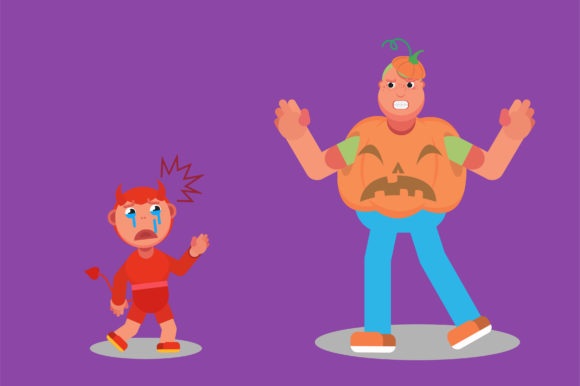
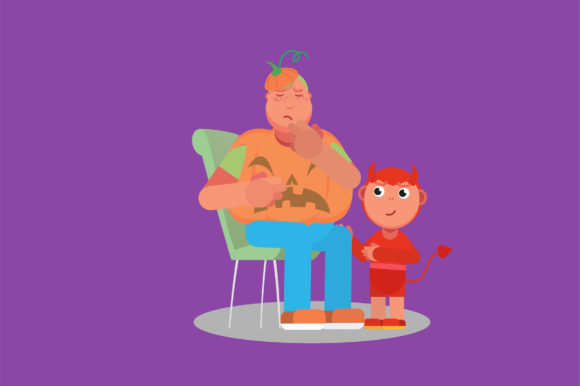
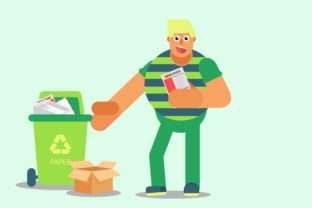
The Good Secondhand Vector Illustration presents a character illustration that feels warm, approachable, and gently nostalgic without being overly retro. The simple vector illustration style keeps the lines clean and the shapes readable, which is exactly what I look for when I am planning a sticker design or a t-shirt design. The mood is cozy and friendly, and it will appeal to buyers who love sustainable living, thrift culture, slow fashion, or handmade goods with a story. If you sell at a craft fair or on a creative marketplace like Etsy, this illustration can help you connect with customers who value character and personality over polished perfection.
Because the illustration is built with straightforward shapes and minimal detail, it does not overwhelm a product layout. That makes it a strong candidate for small business branding where you need the design to communicate clearly on a mug, a tote bag, or a tag. The character stands out without needing extra effects or complicated layering, and that is a huge advantage when you are working with vinyl cutting or sublimation design where every line counts.
How This Graphic Works in Real Crafting Projects
I tested the Good Secondhand Vector Illustration across several product types that I regularly offer in my shop. Here is where it performed best and where I had to make small adjustments.
Sticker Design and Printable Products
The simple vector illustration translates directly into a sticker design. Because the shapes are not overly intricate, the sticker cuts cleanly on my Cricut using the SVG design files. I created a small batch of planner stickers and gift tags, and the illustration maintained its charm even at two inches wide. For printable products like greeting cards and gift tags, the PNG design comes with a transparent background, so I was able to place the character onto different backgrounds without extra editing. That saved me significant time when I was preparing a seasonal collection for my Etsy product listings.
T-shirt Design and Mug Design
For apparel and drinkware, the Good Secondhand Vector Illustration works well when paired with the right font. I tested it on a t-shirt design using a bold sans serif font underneath the character, and the layout felt balanced and marketable. On a mug design, I kept the illustration centered and added a short handwritten phrase above it. The result looked polished without being busy. The ZIP file contains Ai, EPS 10, JPG, PNG, SVG, and DXF File formats, which means I could open the vector file in Adobe Illustrator to adjust colors or resize it without losing quality. That flexibility matters when you are selling the same design across multiple product categories.
Tumbler Wraps and Sublimation Design
I also used the illustration for a tumbler wrap project. Because the lines are simple and the character has a solid silhouette, the sublimation design transferred cleanly onto the coated surface. I did need to test the color profile before production, and I recommend that anyone using this graphic for sublimation run a small test print first. The colors in the JPG preview looked slightly warmer on my screen than they printed on my sublimation paper, but after a quick adjustment in my design software, the final product matched exactly what I wanted.
Where This Illustration Fits Best in a Handmade Business
The Good Secondhand Vector Illustration is versatile, but I found that it shines brightest in certain product categories. If you are building a product line for a craft fair or an Etsy shop, consider these applications.
- Gift packaging and thank-you cards – The character adds a personal touch that customers remember.
- Party decorations and favor tags – Simple enough to print in bulk without heavy ink use.
- Tote bags and reusable shopping bags – The design feels natural on fabric and pairs well with earthy color palettes.
- Wall art and printable decor – The illustration works as a standalone piece for a nursery, kitchen, or reading nook.
- Small business branding – Use the character on your shop cards, thank-you stickers, and packaging inserts to build a cohesive identity.
- Seasonal craft bundles – Combine the illustration with other simple vector elements to create themed collections for spring, fall, or winter markets.
Because the ZIP file contains multiple formats, you can take the same design from a printable wall art piece to a layered vinyl project without reworking the file. That kind of cross-product consistency saves time and keeps your handmade business looking professional.
When to Use Caution with This Graphic Design Asset
No illustration is perfect for every project, and I found a few scenarios where the Good Secondhand Vector Illustration needs careful handling. If you plan to use it for very small sticker sizes, such as 0.5-inch planner stickers or tiny gift seals, some of the character details may become hard to read after cutting. I recommend testing the SVG design at your intended production size before committing to a full batch.
- Thin lines – The illustration uses consistent line weights, but if you scale it down too far, those lines may become fragile in vinyl. Consider simplifying the layout or using a thicker outline version for small cuts.
- Layered vinyl projects – Because the character has multiple closed shapes, you will need to weed carefully. I suggest using a weeding tool with a fine tip and checking that each piece is properly connected before transferring.
- Low-contrast colors – The illustration reads best on a light or medium background. On dark products, you will need to reverse the design or add a white outline to maintain visibility.
- Crowded compositions – The character works best as a focal point. If you combine it with too many other elements, the design loses its impact. Keep the layout clean, especially for mug designs and t-shirt designs where customers expect a clear visual.
Practical Crafter Notes Before You Sell Finished Products
Before you use the Good Secondhand Vector Illustration for customer orders or handmade business products, take these steps to ensure a professional result. These are the same checks I run on every graphic design asset I buy from a creative marketplace.
- Test the SVG lines – Open the SVG design in your cutting software and check for stray points or broken paths. Clean up any issues before you cut vinyl or heat transfer material.
- Preview PNG transparency – The PNG design should have a clean transparent background. Zoom in to check for pixel haze or rough edges around the character.
- Confirm resolution for sublimation – If you are printing the design for sublimation, make sure the PNG or JPG is at least 300 DPI at your intended print size. The vector formats are resolution-independent, but the raster files need to be checked.
- Test colors before printing – Print a small sample on your sublimation paper or on your home printer. Compare the result to your screen and adjust if needed.
- Check how it looks on white and dark products – A design that pops on a white mug may disappear on a black t-shirt. Prepare a reversed version or a white outline variant for dark substrates.
- Place it on real mockups – Use a product mockup to see how the illustration scales on different items. A design that looks balanced on a flat screen may feel too large on a tote bag or too small on a mug.
- Resize for different products – The same illustration may need a different scale for a sticker, a shirt, and a tumbler. Create separate layout files for each product to avoid stretching or distortion.
- Simplify the layout if needed – If the character has small interior details that cause trouble in vinyl, consider removing or merging those shapes for specific projects.
- Pair it with the right font – The illustration pairs well with a serif font for a vintage feel, a sans serif font for a modern look, a script font for a feminine touch, a handwritten font for a personal vibe, or a display font for a bold statement. Test a few options before settling on your final layout.
- Confirm commercial licensing – Before you sell finished products using this illustration, verify the commercial license terms from the platform where you purchased it. Some graphic design assets allow unlimited commercial use, while others limit the number of products or require attribution. Knowing this upfront protects your handmade business.
Why This Illustration Belongs in Your Design Assets Collection
The Good Secondhand Vector Illustration is not the flashiest graphic I have ever used, and that is exactly why it works so well for real crafting. It does not rely on trends that will fade by next season. The character illustration has a timeless quality that fits across multiple product lines, from printable design to sublimation design to vinyl cutting. As a handmade business owner, I value design assets that give me flexibility without requiring constant reworking. This illustration delivers that.
If you are a Cricut user looking for a reliable SVG design for your next sticker sheet, or a small business owner building a cohesive brand for your Etsy product listings, this file can serve you well. The ZIP file contains Ai, EPS 10, JPG, PNG, SVG, and DXF File formats, so you have everything you need to move from digital design to physical product without format headaches. I have already added it to my design assets folder for my next seasonal collection, and I expect it will appear on several products in my shop before the year ends.
For crafters who appreciate a simple vector illustration that feels handmade and honest, the Good Secondhand Vector Illustration is a solid addition to your toolkit. Test it, tweak it, and put it to work in your own handmade business.