Characters Halloween Vector Graphics & Illustrations
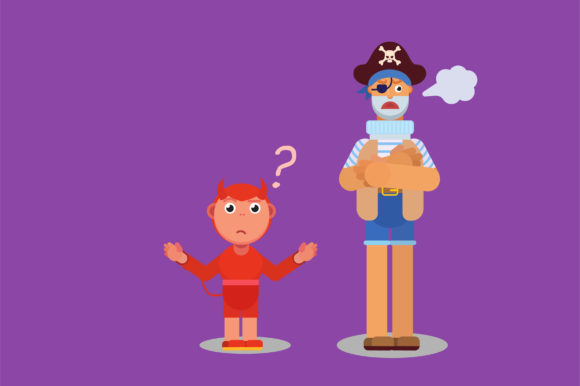
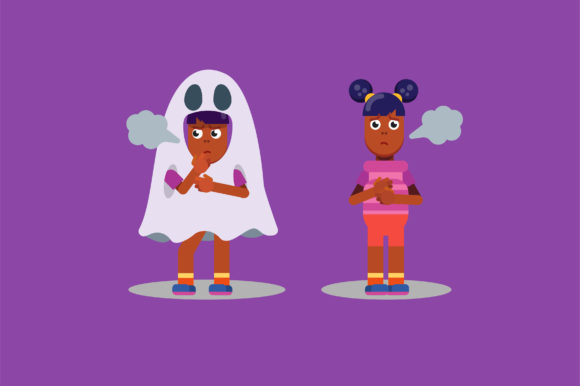
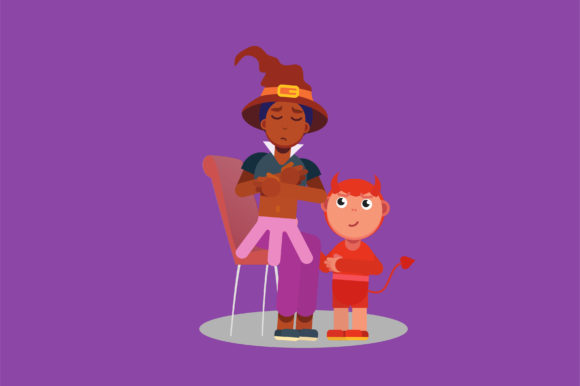
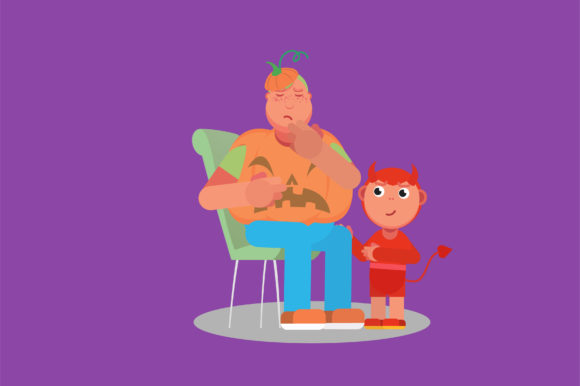
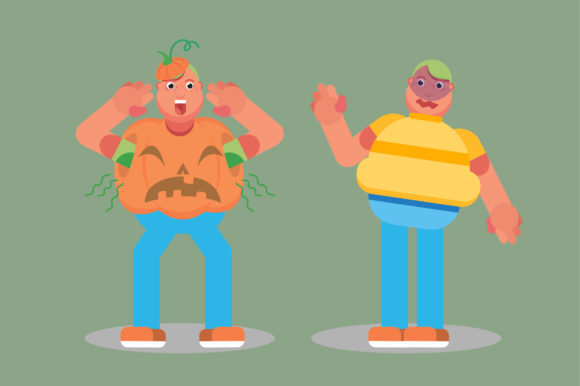
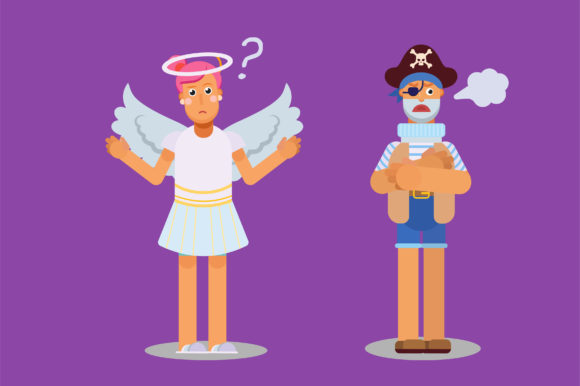
When I first opened Characters Halloween Vector Illustration, I was struck by how deliberately it avoided the usual Halloween tropes. Instead of grinning jack-o-lanterns or cartoonish ghosts, this set offers sorrowful figures with a gloomy, quirky personality. The characters feel like they wandered in from a slightly melancholic storybook, which immediately gave me ideas for differentiated product listings. As someone who has launched hundreds of digital products across Etsy, Creative Fabrica, and print-on-demand platforms, I recognize an asset that can carve out a distinct niche. The set delivers An illustration of sorrowful Halloween characters — a vector collection of gloomy and quirky Halloween people that also works well as a sticker design. The ZIP file contains Ai, EPS 10, JPG, PNG, and SVG formats, giving you flexible options for commercial use.
This is not the typical bold, cartoon Halloween clipart you see in every seasonal bundle. The visual personality leans toward understated, slightly melancholic, and oddly endearing. It appeals to buyers who want something different — not cute, not terrifying, but thoughtfully strange. That kind of niche appeal can drive higher conversion rates because visitors searching for unique Halloween decor, stationery, or apparel often scroll past the same smiling ghosts. A graphic design asset like this one can help your shop stand out if you position it correctly.
Who Will Buy Products Made From This Asset
Understanding the target buyer matters more than the design itself when you are building a commercial product line. Based on the mood of these characters, I see strong traction with several customer segments. Small business owners who sell quirky stationery or handmade gifts will be drawn to the offbeat charm. Crafters making planners, journals, or scrapbooks for an alternative aesthetic audience will appreciate the gloomier palette. Bloggers and content creators who produce Halloween content outside the mainstream — think minimalist, witchy, or vintage-inspired — will find these characters useful for social media graphics and pin designs. Even Etsy shoppers looking for printable wall art with a subdued Halloween vibe are likely to pause on a listing that features this art.
The sorrowful expressions and quirky silhouettes also connect well with a more mature buyer who wants seasonal decor that feels subtle and artistic. That demographic often spends more per item on digital downloads and print-on-demand merchandise because they value design quality over novelty. If you sell on creative marketplaces, you can also target designers who need illustration assets for branding projects or packaging design. The niche is narrow but engaged, and that matters more for consistent sales than broad appeal.
Testing the Asset Across Real Product Scenarios
When I evaluate any digital product for my shop, I run it through several product formats before writing a listing description. I started with a simple sticker design mockup, because the product description notes that the character illustration can be used as a sticker. The PNG files with transparent backgrounds made it easy to place individual characters onto die-cut sticker templates. The SVG files imported cleanly into Cricut Design Space for kiss-cut sticker sheets. For a t-shirt design mockup, I isolated one character and paired it with a handwritten-style font. The gloomy expression worked well on a soft cream tee, and the vector format scaled without quality loss.
Next, I tested the asset as a sublimation design for mugs and tumblers. The JPG files at high resolution gave me clean prints, though I recommend checking how the muted colors look on dark substrates. The PNG files are ideal for layering into Canva templates, where you can combine characters with text overlays for social media posts or printable wall art. I also created a quick greeting card layout with one character centered on the front and a simple serif font inside. The result felt cohesive and marketable, which is exactly what I look for before buying a commercial license.
For Cricut projects, I imported the SVG files and tested cut lines on light and dark cardstock. The shapes are not overly intricate, so the cutting path should be smooth for most machines. That is an important consideration — some complex SVG designs cause dragging or tearing on intricate cuts. This set is safe for detailed work. I also tested the clipart files in a digital paper pack layout and found that the characters layered well with patterned backgrounds. That opens up the possibility of selling themed design bundles rather than single products.
Product Presentation and Thumbnail Appeal
Your listing images determine whether a browser becomes a buyer. I always recommend creating at least one mockup that shows the graphic design asset in a realistic setting. For this set, I built a product mockup featuring a framed print on a dark wall with subtle lighting. The sorrowful expressions stood out against the dark background, and the overall mood felt curated and intentional. That kind of visual storytelling builds perceived value and encourages clicks.
For print-on-demand listings on platforms like Redbubble or Printful, test how the characters look on different product backgrounds. A white mug makes the muted colors pop, while a navy hoodie shifts the mood toward something more subdued. In your Etsy shop, use the first image to show the asset applied to a hero product — a sticker sheet or a wall art print works well. Then include variation images showing the same design on a tote bag, a card, and a tumbler. That helps customers visualize multiple uses and increases the chance of a sale.
The digital download market also rewards well-organized product bundles. If you combine this illustration set with complementary elements — like a patterned background pack or a font pair — you can sell a complete design bundle at a higher price point. The key is to maintain brand consistency across all items so the collection feels intentional rather than random. I have found that buyers trust shops that offer cohesive seasonal collections, and this asset fits naturally into a melancholy Halloween theme.
Where This Asset Performs Best
- Large product previews where the details of each character are visible. Wall art, posters, and framed prints benefit from the full resolution.
- Themed bundles that include multiple products — sticker sheets, planner inserts, and gift tags work well together.
- Decorative layouts like scrapbooking kits, junk journal pages, and collage sheets where the characters can be arranged artistically.
- Printable merchandise such as greeting cards, invitations, and gift wrap where the moody design adds a unique touch.
- Social media graphics for seasonal promotions, blog headers, or Pinterest pins that need an offbeat visual hook.
- Creative marketplace listings on platforms like Creative Fabrica or Design Bundles where designers seek niche illustration content.
Where to Apply Caution
- Tiny sticker details may lose impact if characters are scaled too small. Test a print at actual size before committing to production.
- Overly complex layouts with multiple characters crammed into one design can look cluttered. Let each character breathe.
- Low-resolution print products like certain print-on-demand items may not reproduce the subtle tones accurately. Always order a sample.
- Crowded thumbnails on Etsy or Amazon hinder click-through rates. Keep the main image focused on one clear application.
- Dark backgrounds with character colors that are similarly muted can reduce contrast. Test light and dark backgrounds before publishing.
- Text-heavy templates where the characters compete with copy. Use the illustrations as the focal point and let text support, not overwhelm.
- Cricut or Silhouette cut projects where intricate cuts are needed. While this set is generally safe, always test a single cut on your machine before batch production.
Practical Seller Notes for Launching Products
Test the design on real mockups before you write a single word of your listing. I use a mix of flat lay photos and digital mockups to see how the asset behaves in different lighting and on different materials. Preview it as a marketplace thumbnail at the size it will actually appear — often around 300 to 400 pixels wide. If the characters blur or lose shape, scale them up or increase contrast.
Check how it looks on white and dark backgrounds because many buyers will use it both ways. The PNG transparency allows for easy layering, but some colors may shift against black or navy. Test print colors using a home printer or a print-on-demand proof service. What looks muted on screen can appear washed out or muddy on paper, especially with inkjet printers.
Verify PNG transparency by opening each file in Photoshop or a free alternative like GIMP. Ensure no stray pixels or halos around the characters. Inspect SVG cut quality by running a test cut on your Cricut or Silhouette. Confirm that the paths are closed and that no extra nodes cause jagged edges. Confirm file resolution — the JPG and PNG files should be at least 300 DPI for print products. Organize the files clearly in a ZIP folder with a naming convention that customers can understand. That reduces support messages and refund requests.
Pair the characters with appropriate font styles: a serif font for an elegant, literary feel; a sans serif font for clean modern applications; a script font for whimsical or romantic layouts; a handwritten font for casual sticker designs; and a display font for bold headline uses. The character personality pairs especially well with serif or handwritten options. Finally, confirm commercial licensing before you sell finished products. Most assets on creative marketplaces allow commercial use, but limits may apply to print-on-demand or mass production. Read the license terms carefully to protect your shop.
Building a Cohesive Product Collection
The real value of a well-designed graphic design asset like this one comes from how you integrate it into your shop. I suggest creating at least three distinct product types using the same characters. Start with a printable wall art set — three separate files featuring individual characters with simple typography. Then build a sticker sheet with multiple characters arranged in a layout that maximizes the sheet space. Finally, create a Canva template that includes the characters as drag-and-drop elements for social media or invitations. That gives you a small but cohesive collection that reinforces brand identity across your shop.
You can also bundle the original vector files with a set of printable papers featuring patterns inspired by the character style. That positions you as a provider of design resources, not just a seller of individual illustrations. I have found that buyers who purchase one product from a collection are likely to buy others if the visual language is consistent. That repeat traffic improves your shop authority and organic ranking on marketplaces.
Final Thoughts on Selling With This Asset
Characters Halloween Vector Illustration offers a genuine differentiator in a saturated seasonal market. The sorrowful, quirky mood gives you room to create products that feel intentional and artistic rather than generic. Focus your listing copy on the emotional tone — describe the melancholic charm, the offbeat appeal, and the versatility across SVG design, PNG design, and printable formats. Use mockups that tell a story, and test every format before you publish. With careful positioning and real testing, this asset can support a professional-looking product collection that attracts buyers looking for something beyond the usual Halloween fare. The niche may be specific, but the buyers in that niche are actively searching for exactly this kind of visual personality.