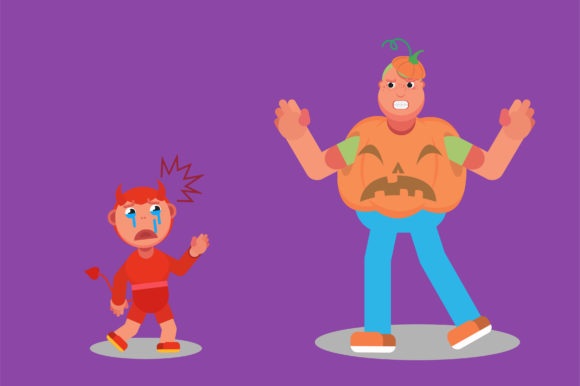
A Happy Boy Vector Illustration: Graphics & Illustrations
When I first opened A Happy Boy Vector Illustration, I was looking for a graphic design asset that could bring warmth to a seasonal campaign without overwhelming the layout. As a brand designer and content marketer, I have reviewed hundreds of illustrations for clients ranging from small business branding to editorial design. This happy character illustration immediately stood out for its clean lines and approachable energy. The simple vector illustration style feels intentional, not unfinished. It carries a mood that is cheerful without being cartoonish, which makes it suitable for modern design work where you need personality without sacrificing professionalism. Whether you are a creative entrepreneur building a brand identity or a social media manager crafting marketing visuals, this digital product offers a quick path to a friendlier brand voice.
Why This Happy Character Illustration Feels Right for Brand Communication
The emotional tone of A Happy Boy Vector Illustration is what first caught my attention. In content marketing, the face you show your audience matters. This illustration projects optimism, approachability, and a sense of ease. For a small business launching a new product or a product creator refreshing their social media graphics, that emotional cue can make the difference between a scroll-past and a genuine connection. The graphic design asset does not try too hard. It feels like a natural element you could drop into a Canva template, a packaging design, or a blog graphic without forcing a mood. That makes it a strong candidate for professional branding work where you want to build audience trust through consistent, positive visual cues.
Real Campaign Case: Launching a Seasonal Product Line
I recently worked with a small online coach who was launching a series of digital workbooks aimed at young professionals. The brand identity needed to feel supportive, not stiff. We used A Happy Boy Vector Illustration as the hero image for the product launch page and on the email banner announcing the release. The illustration helped soften the visual hierarchy and gave the marketing visuals a human touch that resonated with the audience. The commercial license allowed us to use it across the campaign without worry. The result was a stronger first impression and a noticeable lift in engagement on the digital ads we ran. For any content creator or brand owner looking to build emotional connection through visual content, this design asset delivers real value.
How the Design Asset Performs Across Marketing Materials
I tested A Happy Boy Vector Illustration in several real-world applications to see how it holds up under different demands. The file includes AI, EPS 10, JPG, PNG, SVG, and DXF formats, which is a solid range for any creative design workflow. Here is how it performed in common branding and marketing scenarios:
- Brand identity and logo design: The illustration works well as a secondary mark or mascot for small business branding that wants to feel friendly. It is not abstract enough for a standalone logo design in most corporate contexts, but it adds character to a design bundle.
- Packaging design and product labels: On a product label for a handmade goods line, the happy character illustration brought a smile without cluttering the layout. The SVG design scaled cleanly for print.
- Social media graphics and Instagram posts: This is where the illustration shines. It fits naturally into Instagram posts, Pinterest pins, and Facebook ads. The PNG design with a transparent background made placement effortless.
- Blog graphics and website headers: As a web design element, it adds a focal point that draws the eye. I used it in a hero graphic for a lifestyle blog and it improved the visual hierarchy immediately.
- Email banners and digital ads: The illustration kept its clarity at smaller sizes, which is critical for digital ads where every pixel counts.
- Stickers, merchandise, and printable promotions: The clipart style translates well to physical products. The DXF file made it easy to cut for sticker sheets.
For content creators and digital sellers who need a commercial design that works across platforms, this graphic design asset is a versatile addition to any creative marketplace purchase.
Marketing Goals This Illustration Supports Directly
Every brand designer knows that a design asset must earn its place in a campaign. A Happy Boy Vector Illustration supports several key marketing objectives:
- Stronger first impression: The cheerful expression grabs attention in a crowded feed. In content marketing, that first glance is everything.
- Clearer visual hierarchy: The simple vector illustration style does not compete with text. It sits comfortably beside headlines and call-to-action buttons.
- More consistent branding: When used as a recurring element across branded templates, it creates a cohesive look that builds recognition.
- Better product presentation: For digital product creators, adding this illustration to a lead magnet or media kit makes the offer feel more polished.
- Improved audience trust: Friendly visuals signal that a brand is approachable and customer-focused. This illustration reinforces that perception.
- Emotional connection: The happy character illustration triggers a positive emotional response, which can increase engagement on social media graphics and email marketing.
- Professional appearance: Even though the style is simple, the execution is clean. It does not look like a rushed clipart download. It fits a modern design standard.
- More memorable campaign visuals: In a digital campaign, a distinctive character helps people remember your message longer.
For small business owners and brand owners who wear many hats, having a graphic design asset that can multitask is a practical advantage. This illustration does not require a lot of reworking to fit different marketing visuals.
Where This Illustration Works Best in Your Visual Workflow
Based on my testing, A Happy Boy Vector Illustration performs best in these specific applications:
- Hero graphics and campaign headers: Place it as the central visual in a product launch or seasonal promotion. It draws the eye and sets a positive tone.
- Branded templates for social media: Use it as a recurring element in Instagram posts or Pinterest pins to build a consistent brand identity.
- Packaging accents and product labels: Add it as a small decorative touch on packaging design or product labels for handmade or lifestyle products.
- Content bundles and lead magnets: Include it in a design bundle or printable design kit for subscribers. It adds perceived value.
- Promotional banners and digital ads: The illustration works well in Facebook ads and digital ads where a friendly face can improve click-through rates.
- Editorial layouts and blog graphics: Use it as a pull-quote accent or section divider in editorial design.
- Decorative brand elements: It can serve as a secondary brand identity element on website headers or email banners.
For creative entrepreneurs and product creators who build content marketing assets, this illustration fits naturally into a Canva template workflow. The SVG design and PNG design files make it easy to drop into existing layouts.
Where to Use This Design Asset with Caution
No graphic design asset is perfect for every scenario. I recommend using A Happy Boy Vector Illustration carefully in these situations:
- Formal corporate branding: If your brand identity relies on a serious or luxury tone, this illustration may feel too casual. It suits lifestyle, education, and creative small business branding better.
- Dense information layouts: In a text-heavy infographic or report, the illustration can distract if placed too prominently. Use it as a small accent instead.
- Small mobile graphics: At very small sizes, the facial details may lose clarity. Test the PNG design on a mobile screen before committing.
- Low-contrast backgrounds: The simple vector illustration style relies on clear edges. Against a pale or busy background, it may blend in too much.
- Overly minimal brands: If your professional branding is built on stark minimalism, adding a character may break the visual hierarchy.
- Text-heavy ads: In digital ads with dense copy, the illustration can compete for attention. Reserve it for ads with minimal text.
These are not dealbreakers, but they are worth checking before you lock in a campaign. A good brand designer always tests design assets in context.
Practical Brand Designer Notes for Using This Illustration
Before you use A Happy Boy Vector Illustration in a paid campaign or client work, here are the steps I recommend as part of any professional branding review:
- Test it with your brand color palette: The illustration comes in a default style, but you can recolor it in AI or EPS format to match your brand identity. Do not skip this step.
- Check black and white usage: Print it in grayscale to see if the happy character illustration retains its appeal. It should, but always verify.
- Place it inside real campaign mockups: Do not judge it in isolation. Drop it into a product label mockup or a social media graphics template to see how it lives with your other elements.
- Preview it on mobile screens: The PNG design should be crisp at common mobile sizes. Test it in an Instagram post view.
- Test readability in small sizes: If you plan to use it as a sticker or small icon, make sure the facial features are still recognizable.
- Compare it against competitor visuals: See how your marketing visuals will stand out when placed next to similar illustrations in the creative marketplace.
- Pair it with different font styles: I tested it with a serif font, sans serif font, script font, handwritten font, and display font. It paired best with a rounded sans serif font for a cohesive friendly look, but it also worked well with a handwritten font for a more casual feel. Avoid heavy display font styles that crowd the visual hierarchy.
- Review spacing and balance: The illustration has a natural footprint. Give it breathing room in your layout to maintain a clean web design or editorial design.
- Confirm commercial licensing: Always check the commercial license terms before using any graphic design asset in client work, digital ads, or product labels for resale. This digital product is clearly licensed for commercial use, but confirm the specifics for your project.
These steps may seem detailed, but they are exactly what I do for every design asset before recommending it to a brand owner or content creator. Skipping them can lead to professional branding missteps that are hard to undo.
Final Thoughts on A Happy Boy Vector Illustration for Marketing and Branding
A Happy Boy Vector Illustration is a graphic design asset that delivers on its promise. It is a simple vector illustration that can be used as a sticker, a social media graphic, a packaging design accent, or a brand identity element. For content marketers, bloggers, publishers, and small business owners, it offers a fast way to add a human touch to marketing visuals without sacrificing quality. The file format support, including AI, EPS 10, JPG, PNG, SVG, and DXF, makes it easy to integrate into any creative design workflow. Whether you are building a media kit, designing Pinterest pins, or preparing event flyers, this illustration can support your goals when used thoughtfully. It is not a one-size-fits-all solution, but for the right campaign, it is a modern design asset that can elevate your brand identity and help you build a stronger first impression with your audience.